




Why Markets Are Pricing a Fed Hike, Not a Cut

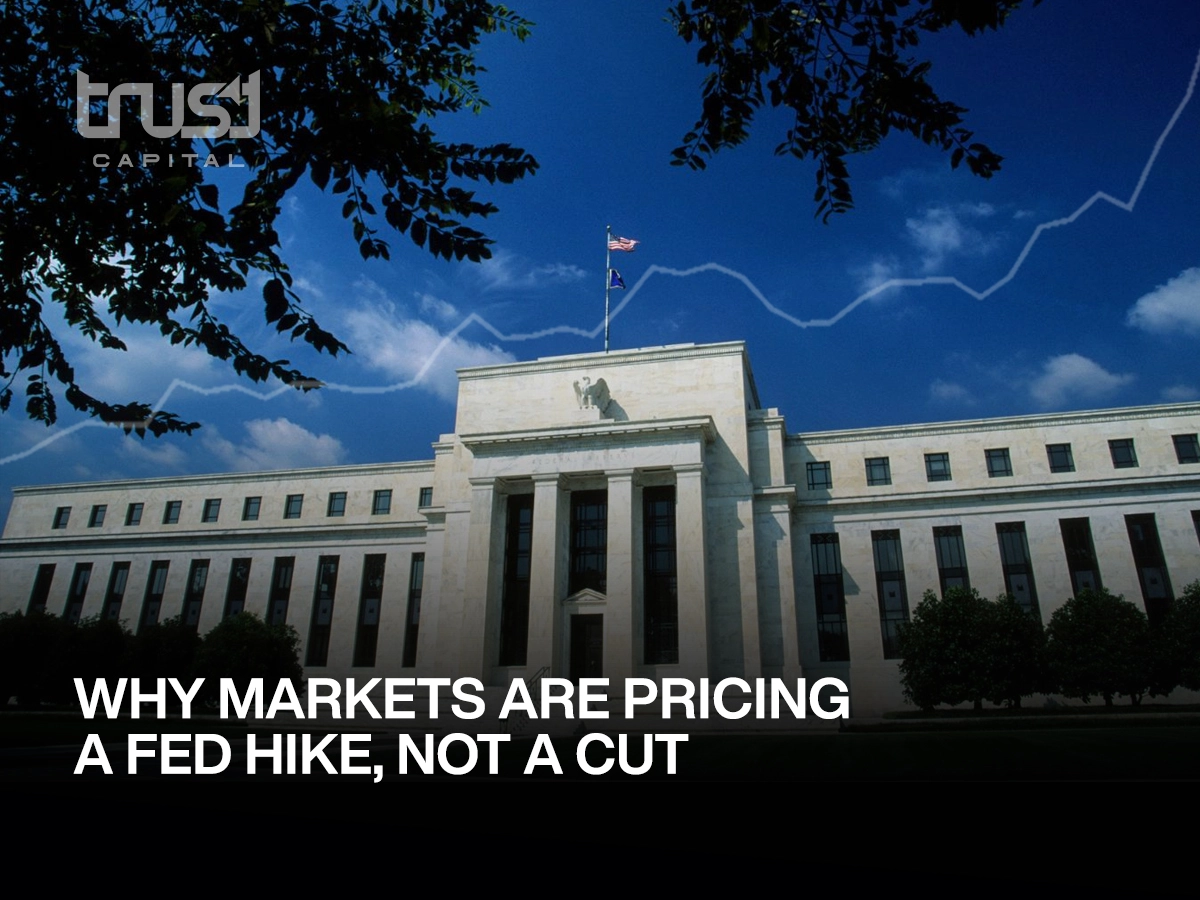
For much of the past year, investors expected the U.S. Federal Reserve to begin cutting interest rates as inflation eased and economic growth slowed. However, the latest economic data has reshaped expectations. Instead of anticipating lower borrowing costs, financial markets are increasingly pricing in the possibility of another Federal Reserve rate hike, reflecting persistent inflationary pressures and a resilient U.S. economy.
The Fed Rate Outlook has shifted significantly, with traders, analysts, and institutional investors closely monitoring every economic release for clues about the next FOMC Rate Decision. Understanding why markets now expect tighter monetary policy instead of rate cuts is essential for traders, investors, and businesses navigating today's financial landscape.
Why the Fed's Outlook Has Changed
The Federal Reserve's primary objective is to maintain price stability while supporting maximum employment. Although inflation has declined from its peak, it remains above the Fed's long-term target of 2%.
Recent economic indicators suggest that inflation remains sticky, particularly in services, housing, and wages. At the same time, the U.S. labour market continues to demonstrate strength, with low unemployment and consistent job creation. Strong consumer spending has also kept economic activity resilient despite higher borrowing costs.
These factors have significantly influenced the latest Fed Rate Forecast, leading many market participants to believe policymakers may need to keep rates higher for longer—or even consider another rate increase if inflation proves difficult to control.
Inflation Remains the Biggest Concern
Inflation continues to be the single most important factor driving the Top Fed Policy discussions.
Although headline inflation has moderated, core inflation—which excludes food and energy prices—has remained more persistent. Higher wages, elevated housing costs, and continued demand across several sectors have slowed the pace of price normalization.
For the Federal Reserve, declaring victory too early could risk another wave of inflation. This explains why policymakers have repeatedly emphasized that future decisions will remain data-dependent.
Every inflation report now plays a critical role in shaping the Best FOMC Update and influencing market expectations.
Strong Economic Growth Supports Higher Rates
Another reason markets are pricing a hike rather than a cut is the surprising strength of the U.S. economy.
Economic growth has consistently exceeded expectations, supported by:
-
Strong consumer spending
-
Healthy corporate earnings
-
Robust employment growth
-
Stable business investment
Normally, weaker economic conditions encourage central banks to reduce interest rates. However, when growth remains resilient, the Federal Reserve has greater flexibility to maintain restrictive policy.
This has become a key driver of the current Best Rate Outlook, with investors recognizing that the economy has not slowed enough to justify immediate easing.
Bond Markets Reflect Changing Expectations
Bond yields have become one of the clearest indicators of changing monetary policy expectations.
When investors anticipate higher interest rates, Treasury yields typically rise as markets adjust for tighter financial conditions.
Higher yields affect nearly every asset class, including:
-
Equities
-
Bonds
-
Commodities
-
Foreign exchange markets
-
Real estate
The recent rise in Treasury yields has reinforced the view that another Federal Rate Hike remains possible if inflation data stays elevated.
This shift has become one of the most discussed topics in Top Fed Rate News, influencing global investment strategies.
What the Next FOMC Meeting Could Mean
Each upcoming FOMC Rate Decision carries enormous significance.
Rather than focusing solely on whether rates change, investors closely examine:
-
The Fed's economic projections
-
Inflation expectations
-
Employment forecasts
-
Policymakers' language during press conferences
-
Future guidance on interest rates
Even if rates remain unchanged, a more hawkish statement can push markets toward pricing future hikes.
This makes every policy announcement one of the Top Fed Decisions affecting global financial markets.
Impact on Financial Markets
Expectations of higher interest rates influence virtually every major market.
U.S. Dollar
Higher interest rates generally strengthen the U.S. dollar by attracting global capital seeking better yields.
Stock Markets
Growth-oriented sectors such as technology often face pressure because higher borrowing costs reduce future earnings valuations.
Gold
Gold typically struggles when interest rates and Treasury yields rise, as investors shift toward interest-bearing assets.
Oil
Oil prices may experience mixed reactions, balancing stronger economic demand against tighter financial conditions.
These cross-market movements are closely monitored when evaluating the Fed Decision 2026 and broader Market Rates 2026 expectations.
What Traders Should Watch
Markets will continue reacting to every major economic release.
Key indicators include:
-
Consumer Price Index (CPI)
-
Personal Consumption Expenditures (PCE) Inflation
-
Non-Farm Payrolls
-
Average Hourly Earnings
-
Retail Sales
-
ISM Manufacturing and Services PMIs
-
GDP Growth
Each report has the potential to alter the Fed Rate Trends 2026, making economic data one of the biggest drivers of market volatility.
Looking Ahead
While markets once anticipated multiple rate cuts, today's expectations have changed considerably. Sticky inflation, strong employment, and resilient consumer demand have all contributed to a more cautious Federal Reserve.
The latest FOMC Outlook 2026 suggests policymakers remain committed to bringing inflation under control, even if that means keeping rates elevated for longer than previously expected.
For investors and traders, staying informed about Best Fed Updates, monitoring Top Rate Outlook developments, and following every major Fed Rate Forecast will be essential in navigating the evolving economic landscape.
Conclusion
The Federal Reserve's policy path remains highly dependent on incoming economic data, but one thing is clear: markets are no longer convinced that rate cuts are imminent. Instead, expectations have shifted toward the possibility of another Federal Rate Hike, reflecting persistent inflation and ongoing economic resilience.
As the next FOMC Rate Decision approaches, investors should closely monitor inflation reports, employment data, and central bank commentary. Understanding the evolving Fed Rate Outlook, tracking Top Fed Rate News, and following the Best Hike Outlook can help traders make more informed decisions in an increasingly uncertain market environment.


